
How to Create a Hotel Wellness Program Guests Will Actually Use in 4 Simple Steps
Hotel wellness is becoming an increasingly important part of the guest experience, but building a program often comes with operational and strategic considerations.
Where do you begin? What should you offer? Who will manage it? Will guests actually use it? Will it support loyalty, reviews, revenue, or brand perception? And can it be done without adding more work for an already stretched team?
The good news: hotel wellness does not need to be complicated or expensive to make a real impact—you do not need a major renovation, a full spa concept, a massive new budget, or a complicated program your team has to manage alone.
A strong hotel wellness program can begin with simple, thoughtful touchpoints that make the guest experience feel more restorative, intentional, and cared for.
The key is staying focused on four things:
Which wellness touchpoints matter most for your hotel
How to make wellness easy for guests to find and use
How to keep the program organized over time
How to support guest satisfaction without creating operational burden
From guest rooms and check-in to dining, fitness spaces, spa services, live classes, and post-stay communication, wellness can be woven into the hotel experience in practical ways that support both guest satisfaction and operational ease.
This guide will walk you through where to begin, what to prioritize, and the key do’s that help a hotel wellness program actually work.
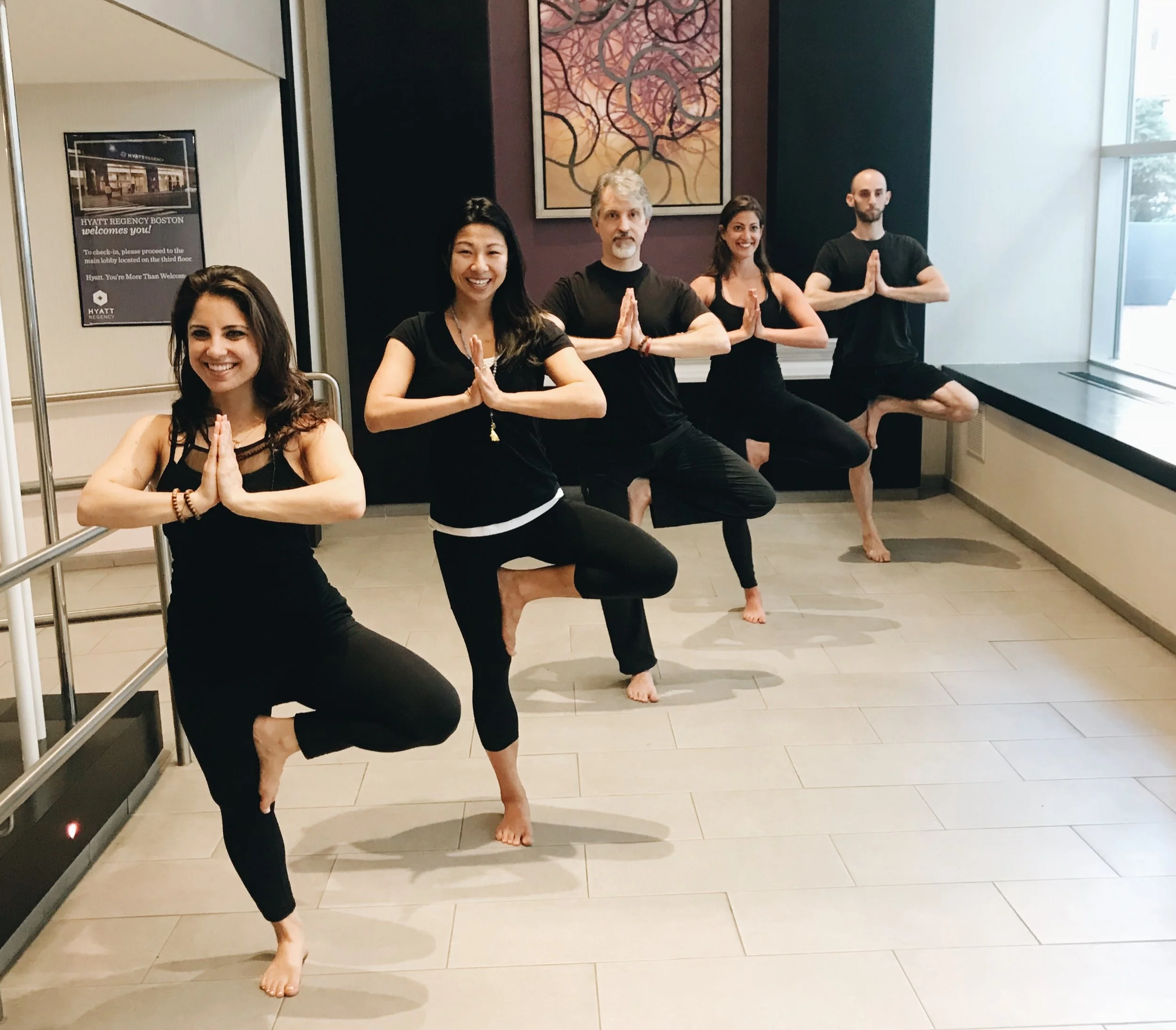
Step 1: Assign a Wellness Point Person
Before you choose the classes, amenities, or wellness touchpoints, decide who will own the program internally.
This does not need to be a brand-new role or a huge addition to someone’s workload. But someone on your team should know what is being offered, how it is being promoted, what guests are using, what feedback is coming in, and what needs to happen next.
Look for the person who already thinks this way.
Maybe they bring their lunch every day. Maybe they do yoga, meditate, walk before work, care about healthy food, or know the quietest place in the building. Maybe they are secretly a certified yoga teacher. Maybe they are simply the person who notices the guest experience details other people miss.
That person can become your internal wellness champion.
Make it a badge of honor, not an added burden. Their role is not to do everything alone. Their role is to help keep the program connected to the property, the guests, and the team.
A good wellness point person can help:
Notice where wellness naturally fits into the guest experience
Coordinate with internal departments
Communicate what is available to staff and guests
Gather basic feedback
Keep the program from becoming a random collection of one-off ideas
Work with an expert partner like ThriveHub to bring the program to life
The right partner can handle the heavy lifting, but every successful hotel wellness program needs someone inside the property who cares about the experience and helps carry it forward.
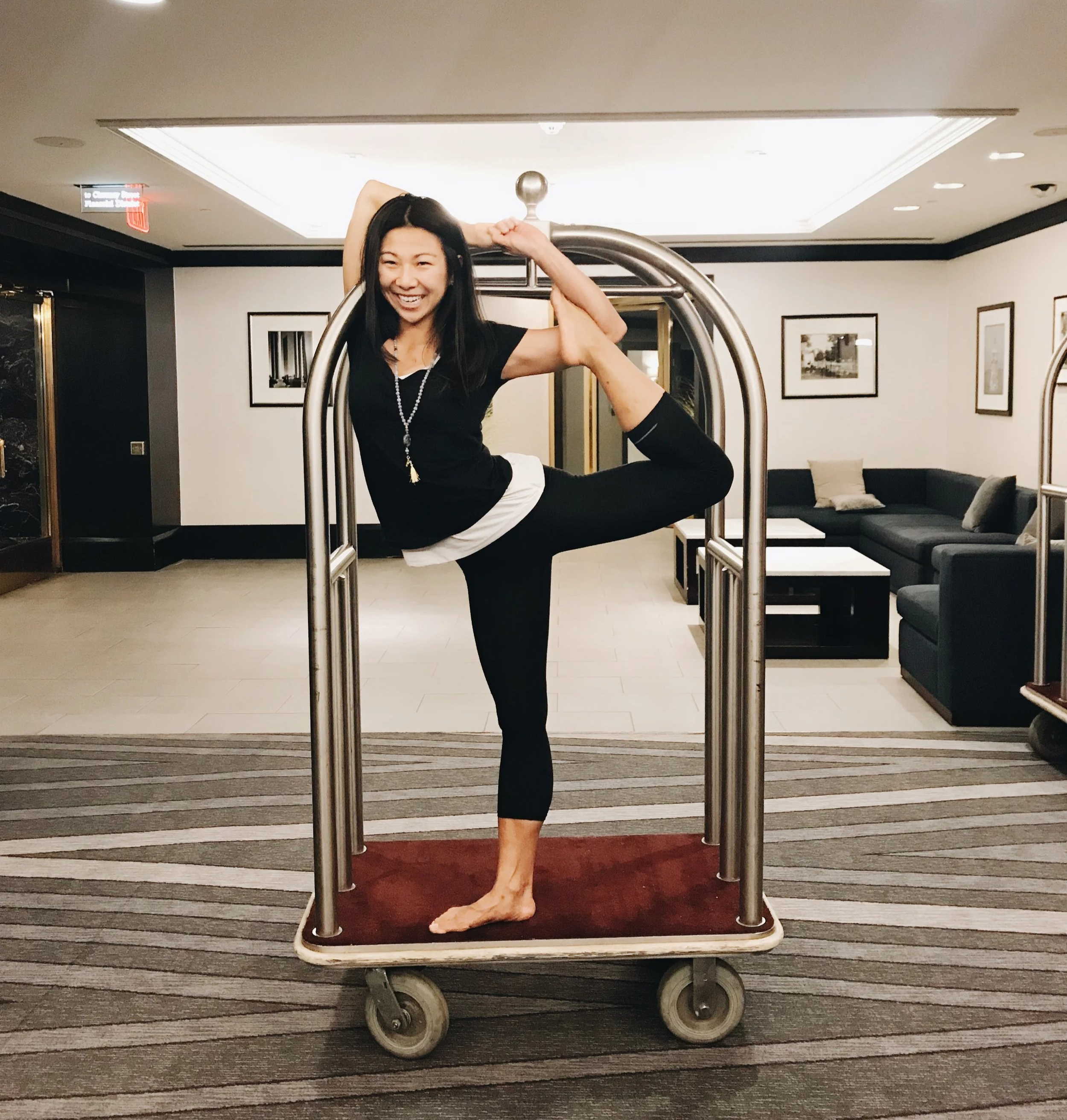
Step 2: Review the Check-In and Lobby Experience
The check-in and lobby experience sets the tone for the stay.
After travel, guests are often tired, dehydrated, overstimulated, or rushing to their next commitment. A simple wellness moment at arrival can help them feel more settled right away.
This does not need to be elaborate. The goal is to make the first touchpoint feel more refreshing, calming, and cared for.
A few simple ideas:
Offer water in multiple temperatures, such as cold, room temperature, and hot
Provide calming or energizing tea options
Add fresh fruit or another nourishing grab-and-go option
Offer lightly scented lavender towelettes
Share a QR code for a short grounding meditation
Provide a simple wellness resource guide with available amenities, classes, spa services, and dining options
Offer local walking routes for guests who want fresh air or light movement
For premium properties, this could also include a wellness concierge, a tranquil lobby corner, or tailored wellness recommendations based on the guest’s stay.
The point is not to turn the lobby into a spa.
The point is to use the arrival experience to help guests feel welcomed, refreshed, and supported from the moment they walk in.
Step 3: Review the Guest Room Experience
Guest rooms are one of the most important wellness touchpoints in a hotel because they directly shape how guests rest, recover, and reset.
This is where sleep, hydration, movement, and self-care all come together.
Start by asking: Does the room help guests feel better while they are away from home?
A few simple ideas:
Add herbal tea or calming beverage options
Provide a QR code with sleep meditations, white noise, calming playlists, or in-room stretch resources
Offer optional wellness kits guests can request at check-in or add before their stay
Include sleep-focused amenities like eye masks, weighted eye pillows, sound machines, or blackout support
Add simple movement tools like yoga mats, resistance bands, or guided in-room fitness resources
Improve the room environment with warm lighting, minimal clutter, and fewer disruptive electronics
Offer healthier mini-bar or room service options, such as fresh fruit, nuts, tea, juices, or nutrient-dense meals
For premium rooms, hotels can take this further with hydration stations, upgraded sleep customization, in-room fitness equipment, meditation corners, wellness content on the TV, or spa-inspired bathrooms.
The point is not to add random wellness items to the room.
The point is to make the guest room feel more supportive of the way guests actually want to feel when they travel: rested, comfortable, cared for, and able to keep some version of their routine.
Step 4: Review the Dining Experience
Dining is one of the most practical ways to support wellness during a hotel stay.
Guests are out of their routines, eating at different times, navigating allergies or dietary restrictions, and often trying to find something that helps them feel good without overthinking it.
Start by asking: How easy is it for guests to find nourishing food and beverage options that support their needs, preferences, and routines?
A few simple ideas:
Add a small wellness section to the menu
Clearly label dietary options, such as vegetarian, vegan, gluten-free, dairy-free, low-sugar, and low-sodium
Offer healthy grab-and-go options like fruit, egg bites, wraps, nuts, snack packs, or whole-grain sandwiches
Add functional beverages like herbal teas, infused waters, kombucha, fresh juices, or wellness mocktails
Offer smaller portions or lighter meal options for guests who do not want something heavy
For premium dining experiences, hotels can go further with seasonal tasting menus, local farm partnerships, customized meal plans, wellness-focused signature dishes, or a fresh beverage bar with juices, adaptogenic lattes, and other functional drinks.
The point is not to overhaul the entire menu.
The point is to make supportive choices easier to find, easier to understand, and easier for guests to choose.
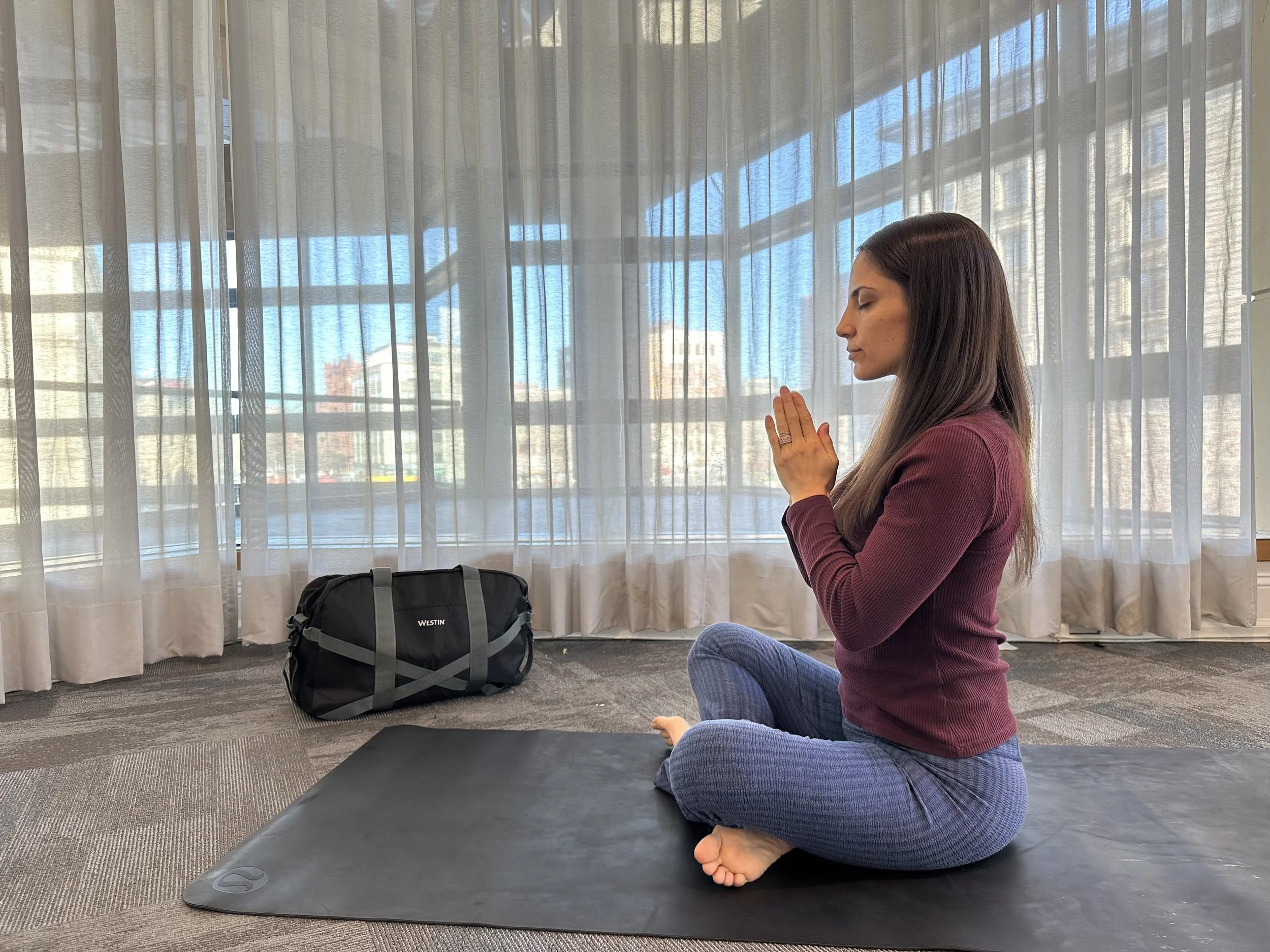
Fitness and Recovery Spaces, If You Have Them
Not every hotel has a full fitness center, spa, or recovery space. That is okay.
But if you do have one, it is worth asking whether the space is actually useful for the way guests want to move and recover while traveling.
A hotel gym does not need to be huge. It needs to be thoughtful, clean, easy to use, and supportive of more than cardio and weights.
Start by asking: Does this space help guests stretch, move, recover, and feel better during their stay?
A few simple ideas:
Provide high-quality yoga mats
Add yoga blocks and straps
Offer foam rollers, resistance bands, or self-massage balls
Create a small stretching or recovery corner
Add QR codes linking to short guided stretch, yoga, or mobility videos
Share local walking or running routes
Make sure the space feels clean, calm, and easy to navigate
For premium properties, this could include a dedicated recovery lounge, in-room fitness equipment, private yoga or personal training sessions, guided wellness classes, or a more complete movement and recovery area.
The point is not to build a massive fitness center overnight.
The point is to make the space you already have more complete, more intuitive, and more supportive of the way guests actually use wellness while they travel.
Start Small and Keep It Usable
A strong hotel wellness program does not need to be complicated.
Start with one internal wellness champion, focus on the touchpoints that matter most, and work on on small improvements guests can easily find and use.
The best wellness programs are not the ones with the most offerings. They are the ones that feel thoughtful, organized, and genuinely helpful throughout the stay.