
5 Ways to Boost Participation in Group Fitness Classes in Senior Living
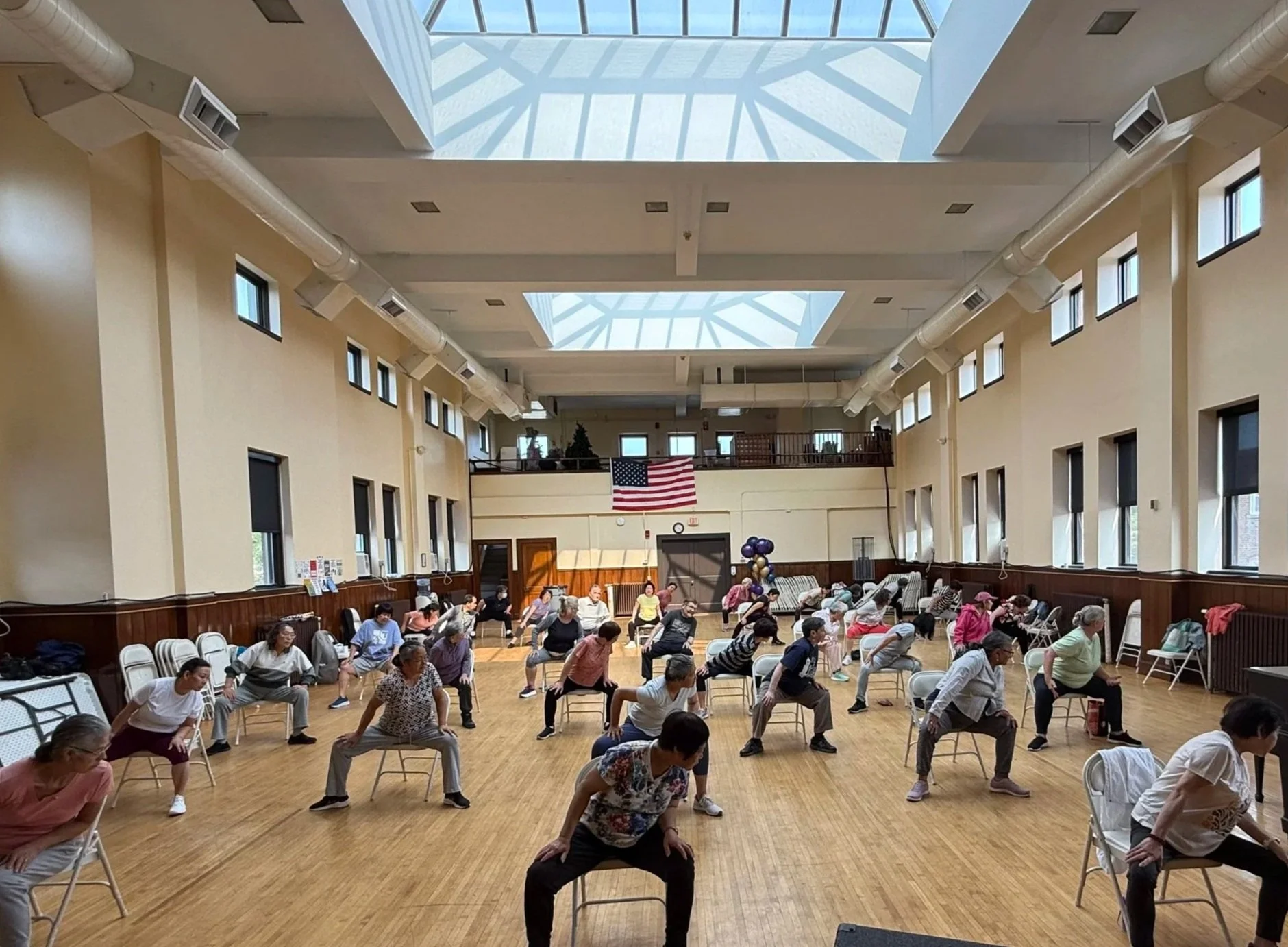
Even the best fitness classes can fall flat if no one shows up. In senior living communities, the challenge isn’t just scheduling more activities — it’s creating experiences residents feel safe, excited, and motivated to join.
That means going beyond the flyer. It’s about choosing the right classes, offering them the right way, and making sure your residents know they’re welcome. Here are five proven strategies to help your wellness program thrive.
1. Start by Listening: Build a Program Around What Residents Want
If you’re designing your fitness schedule based on what’s always been done, you might be missing what residents actually want now.
Ask directly: What kind of movement do they enjoy? Do they prefer calm, chair-based sessions or more energetic options? Have they tried Tai Chi or Chair Pilates? Would they be open to Zumba Gold if they knew it was low-impact and fun?
You don’t need a formal survey — even a casual conversation during lunch can spark insight. When residents see their input reflected in the calendar, they’re more likely to show up — and stay consistent.
One of our senior community partners saw participation increase by over 60% in just two months after hiring a new Activities Director who truly listened. She regularly walked the floor, asked what residents wanted, and was flexible enough to adapt quickly — and one thing was for sure: residents surely knew what they wanted, and they were verbal about it! By swapping out underperforming classes and introducing resident-requested formats like Chair Pilates and Tai Chi, she knocked it out of the park — and created a wellness culture the whole community felt proud of.
Managing that level of feedback can be a lot. With ThriveHub, it’s built into every partnership — we help gather input, adjust programming, and make sure classes stay aligned with what residents want. Reach out here if you’d like to learn more.

2. Offer Adaptable Class Options with a Consistent Schedule
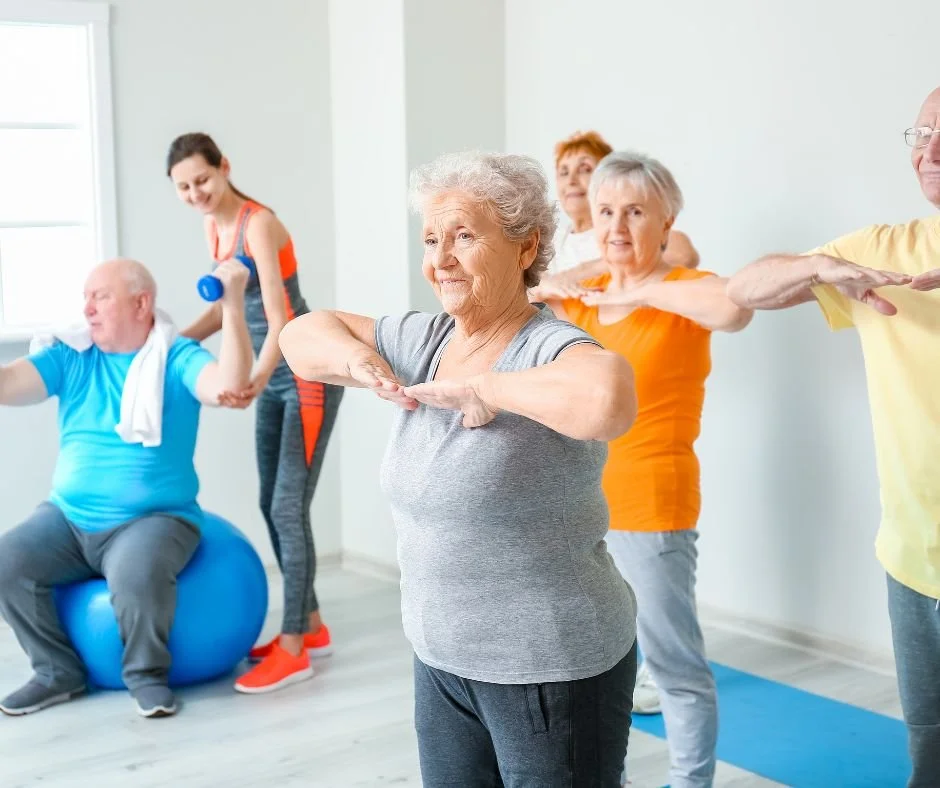
Senior living communities include a wide range of residents — and movement classes need to reflect that. Some use walkers, some prefer chairs, and others are regularly climbing stairs without assistance. The more you accommodate different ability levels, the more likely you are to strike a chord with your whole community.
Some class formats are naturally adaptable — Chair Yoga, Tai Chi, and Breathwork can be offered in both seated and standing versions. Others, like mat-based yoga or classes that attempt to combine chair, standing, and mat work in one, can be trickier to deliver well for a mixed group. Being intentional about what’s offered — and how it’s communicated — makes a big difference.
Make it clear if a class is appropriate for specific abilities. Promote both the format and the benefits: Will it support balance? Help reduce joint stiffness? Ease stress?
The more confidently residents understand that a class is safe, approachable, and meant for them, the more likely they are to show up.
3. Keep the Schedule and Location Consistent — Even as You Adapt Content
You can rotate class formats and instructors, but class times and location should stay the same.
Morning classes — ideally between breakfast and lunch — held daily or at predictable intervals tend to perform best in most communities.
Choose a visible, central location whenever possible. If the space is tucked away, use clear, consistent signage to help residents find it and remember it.
The easier it is to recall the time and access the space, the more likely residents will commit and build the habit.

4. Bring in Engaging Pros (Energy Over Everything)
You can have the perfect class on the calendar — but if the instructor doesn’t connect, attendance won’t last.
The instructor is the single most important factor in a class’s success. Whether it’s a professional teacher, a staff member, or a resident leading movement, choose someone who brings energy, warmth, and a welcoming presence.
Residents show up for the person, not just the program. That doesn’t necessarily mean you need a fitness expert with 20 years of experience. You need someone who makes people feel good the moment they walk in. Prioritize presence over perfection — your community will feel the difference.

5. Relationship-Based Promotion Strategies That Work
Similar to having great instructors, real engagement comes from relationships.
Have front desk staff, caregivers, and dining teams mention the classes casually in conversation. A simple, “See you at Chair Yoga tomorrow?” is often more powerful than any printed announcement.
Identify a resident “mayor” — someone outgoing and well-liked who naturally encourages others to join in. When promotion comes from peers, it feels less like a program and more like a shared experience.
We’ve seen this strategy shift attendance dramatically. At one community, a regular yoga class had plateaued at just two participants per week. But once a few of the resident “mayors” began attending — and spreading the word that class was not to be missed — that number jumped to ten within weeks.
Encourage your instructors to spot these influencers and build a connection. A bit of verbal encouragement and personal recognition goes a long way with this type of person — and they often become your most valuable champions.
Final Thoughts
Participation isn’t just about putting classes on the calendar — it’s about creating something residents actually want to be part of. When you listen to what matters, adapt to varying abilities, keep things consistent, bring in warm and engaging leaders, and promote through trusted relationships, your fitness program becomes more than an activity. It becomes a highlight of the week.
We’ve seen communities transform their wellness culture with just a few small shifts — and when participation grows, so does resident satisfaction, connection, and quality of life. Whether you’re building a new program or refreshing an existing one, these strategies offer a strong place to start.
And if you ever need support, ThriveHub is here to help — from feedback collection and scheduling to instructor placement and program design, it’s all part of the partnership.